DailyBuzz

Overview
Personal project
Project Name: DailyBuzz
Role: Product Designer
Objective: To design an intuitive, engaging alarm app that empowers users to start their day productively through personalized features, daily challenges, interactive games, and structured scheduling.
Target Audience: Students, professionals, and anyone striving to stay on top of their time management and productivity goals.
Duration: In progress
Problem Statment:
In today's fast-paced world, managing time effectively is challenging for people at all life stages. Many of us struggle to balance schedules, stay motivated, and start the day with purpose. Traditional alarms simply ring and turn off, providing little support beyond waking the user. This lack of engagement in the initial moments often sets a passive tone for the day, rather than an energized and intentional one. Personally, I often find myself hitting the snooze button multiple times to actually wake up, and my friends have shared similar experiences.
Solution: I decided to create DailyBuzz to address this need by transforming the alarm experience into an interactive and motivating start to the day. This app not only wakes users up but also immerses them in a personalized experience filled with challenges, exercises, and structured planning options—all designed to foster a proactive and positive mindset from the very start of the day.
User Research:
To build a solution that genuinely addresses user needs, I conducted a thorough user research phase, including surveys, interviews, and observational studies. This allowed me to validate assumptions, identify pain points, and better understand my target audience's daily routines, motivation patterns, and engagement preferences.
Methodology:
-
Surveys: I conducted distributed online surveys to over 150 participants across three primary demographics: students, remote workers, and professionals with busy schedules.
-
Interviews: Conducted unstructured mini-interviews with 15 participants to gain qualitative insights into their morning routines, motivation triggers, and preferred digital tools.
-
Observational Study: Observed the morning routines of select participants via self-reported logs and time diaries to capture specific moments of struggle and motivation throughout their mornings.

Key Findings:
The research phase yielded several important insights, shaping the core design of DailyBuzz:
Struggle with Motivation: 75% of participants reported feeling unmotivated upon waking up and needed external cues, like reminders or inspiring messages, to start their day positively.
Desire for Structure: 80% of users expressed a need for a structured way to manage their daily and weekly tasks, particularly those juggling multiple responsibilities (work, school, family).
Preference for Interactive Alarms: 65% of users mentioned that a standard alarm felt like a “chore” and expressed interest in interactive or gamified elements to make the wake-up process more enjoyable.
Language & Inclusive Needs: 35% of users indicated a desire to receive motivational content in their native language, enhancing their connection to the message.
Interest in Health-Oriented Activities: 55% of users shared a preference for light morning exercises to help them wake up, while 45% were interested in brief mental activities like puzzles or trivia.
.png)
Potential Solutions:
Based on this, I could implement comprehensive scheduling tools with daily, weekly, and monthly views to offer users a seamless way to organize their time and prioritize tasks.
The interactive challenge component was created to add an engaging layer to the alarm process, encouraging users to start their day with mental or physical activities.
Developed the language selection feature to allow users to personalize the language for their morning quotes and challenges.
This insight led to the inclusion of both physical activities (stretches, dance moves) and mental exercises (puzzles, word scrambles) in the app, catering to both preferences.
User Personas:
The research findings also refined my personas:
-
The Busy Student: Prefers motivational content in their language and relies on interactive challenges to shake off morning lethargy.
-
The Professional: Needs structured scheduling tools and favors quick mental activities to jumpstart their focus.
-
The Aspiring Go-Getter: Desires an all-in-one tool for motivation, organization, and health-oriented routines.
Core Features:
1. Interactive Alarms with Daily Challenges
Feature: Users can complete a daily challenge before turning off their alarm, such as a short mental exercise or a physical task.
Purpose: Promotes active engagement and sets a positive, energized tone for the day.
2. Personalized Quotes
Feature: A customizable quote feature that allows users to select daily motivations (e.g., motivational quotes, Bible verses, psychology insights) that resonate with their mood or goals.
Purpose: Offers a personalized boost, catering to the user’s mental state or aspirations each morning.
3. Multi-Language Support
Feature: Users can select their preferred language for content.
Purpose: Ensures accessibility and comfort, allowing diverse users to engage fully with the app in their chosen language.
4. Interactive Games
Feature: Features such as Puzzle Cards, Trivia, and Word Scramble help stimulate the user’s brain upon waking.
Purpose: Creates a fun, mentally engaging start to the day, encouraging focus and mental alertness.
5. Morning Exercises
Feature: Offers short, energizing exercises like stretches, push-ups, or quick dance moves to start the day actively.
Purpose: Aids in physical readiness, energizing users with quick, easy exercises that promote well-being.
6. Scheduling & To-Do Lists (Daily, Weekly, Monthly)
Feature: A comprehensive scheduler that lets users set up daily, weekly, and monthly tasks.
Purpose: Provides clear structure, allowing users to manage and prioritize their commitments effectively.
7. Statistics & Reports
Feature: Tracks user progress, and completion rates, and provides insights into daily activities.
Purpose: Supports users in tracking and refining productivity habits, encouraging informed goal setting.
8. Customizable Notifications
Feature: Users can set customized alerts for specific goals or events, ensuring they stay on track.
Purpose: Keep users engaged and organized with reminders tailored to their daily, weekly, or monthly needs.
9. My Account & Personalization
Feature: Allows users to track achievements, share their calendars with others, and personalize alarm settings.
Purpose: Builds a personal connection, empowering users to engage with the app in a way that reflects their preferences.
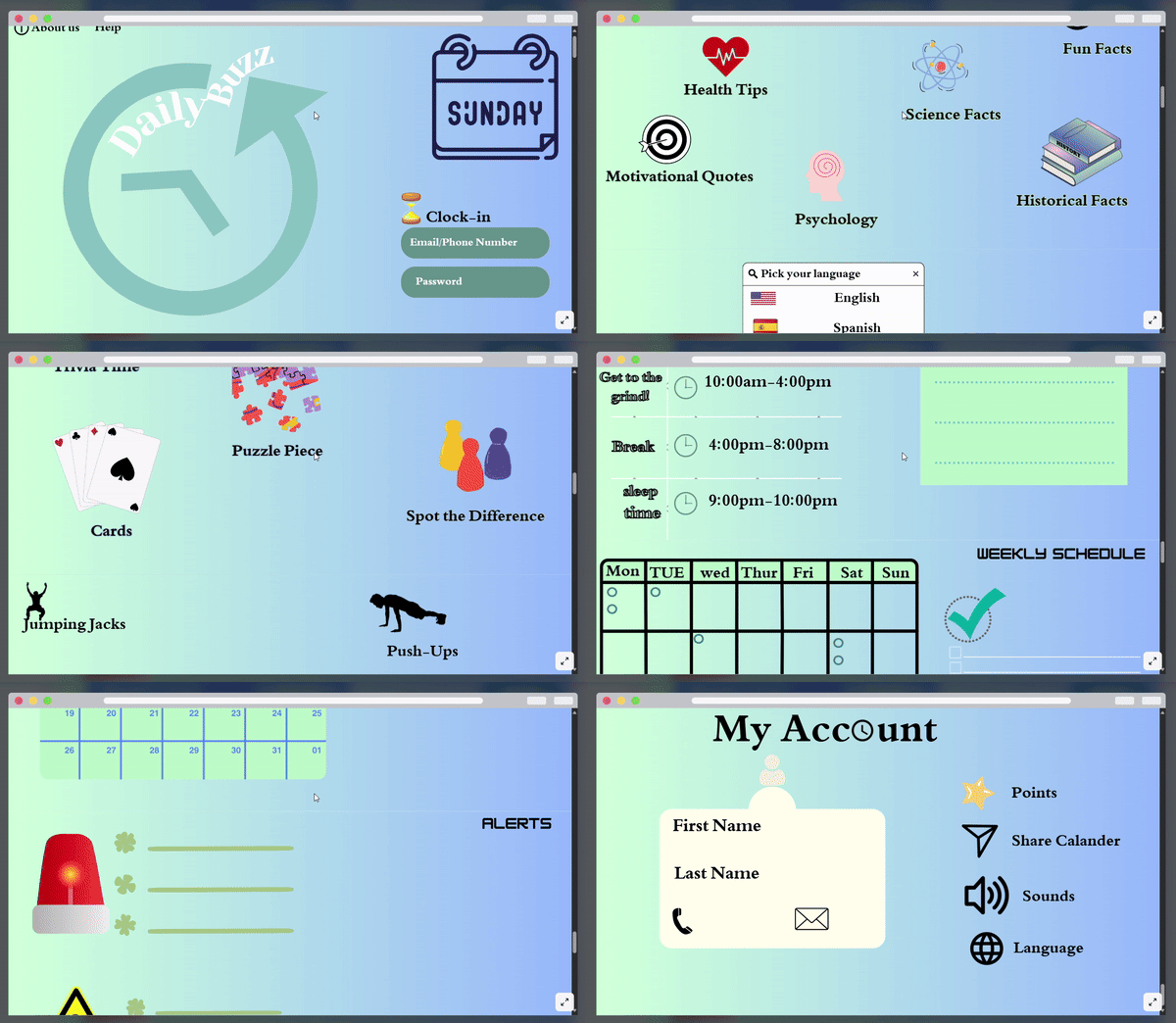
Prototype Development Plan:
While the case study I worked on focuses on laying out the foundational structure of DailyBuzz, these initial prototypes aim to provide a clear, visual representation of the app’s core functionalities and user flow. This stage is all about conceptualizing how to bring the idea to life and allowing users to see the planned interactions, features, and overall look and feel.
The next steps involve developing mid- to high-fidelity prototypes, where I will design interactive screens for key features like setting the alarm, completing daily challenges, and organizing tasks. This initial prototype will serve as a visual guide to showcase the app's main functionality and user experience. It’s a crucial step to validate the concept, gain early feedback, and ensure the app resonates with users before moving into more advanced interactions or complex features.
Future Refinements:
As this prototype represents the starting point, I plan to continually refine and expand it with new features and interactive elements based on user feedback and evolving needs. Here are some planned areas for enhancement:
-
User Feedback Integration: During the prototype testing phase, I’ll collect user feedback on the app’s usability, design flow, and overall experience. This will allow me to adjust and refine features to ensure they align with user expectations and needs.
-
Expanded Gamification: Over time, I aim to integrate achievements, reward levels, or streaks for daily challenges. This gamified approach will enhance motivation, making the app more engaging and rewarding for users.
-
Enhanced Visual Design: Visual elements, including color schemes, typography, and iconography, will be fine-tuned to improve accessibility and readability. These design adjustments will make the app visually appealing and easy for all users to navigate.
-
Health & Wellness Integration: As the app evolves, I plan to include basic wellness tracking metrics, such as step counts or hydration reminders. This addition aligns with DailyBuzz’s mission of promoting holistic health and supporting users’ physical well-being alongside productivity.
This prototype serves as the foundational blueprint of DailyBuzz, but it’s just the beginning. The app will continue to grow with additional interactive elements and user-centric features, making it a dynamic, adaptable tool that keeps up with user needs and enhances their daily routine.
Conclusion:
DailyBuzz is more than just an alarm clock; it’s a productivity tool designed to empower users from the first moments of their day. By transforming the morning alarm into an interactive, motivational experience, DailyBuzz offers a structured, personalized start that fosters productivity, mental focus, and physical readiness.
This design case study lays the groundwork for creating an app that’s not only functional but also enhances the lives of its users. It highlights my dedication to user-centered design, the integration of innovative features, and building an engaging experience from the ground up.